

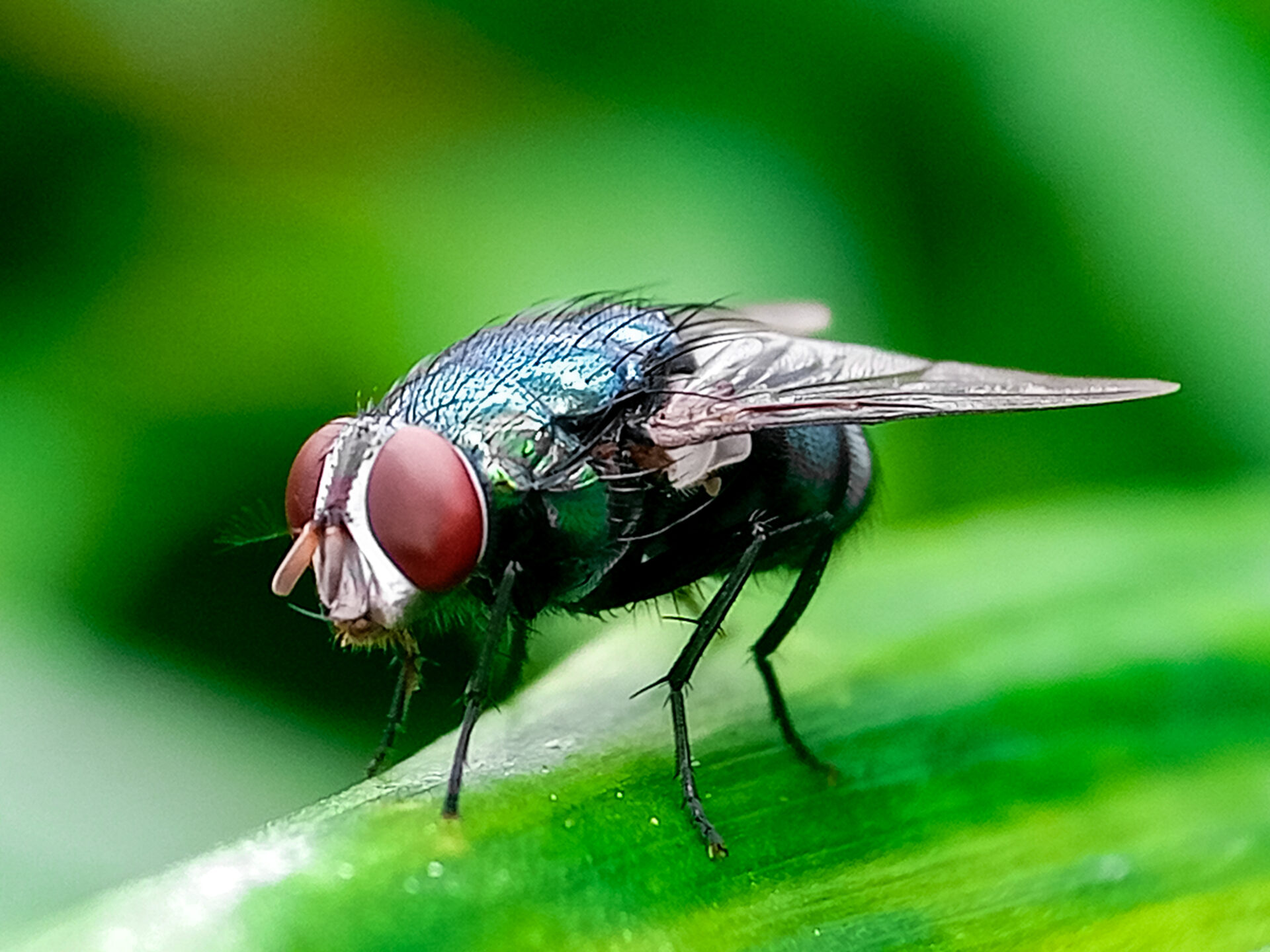
The New World screwworm has not entered U.S. herds, but the threat has officials on guard. The parasite can devastate livestock, particularly cattle, and poses risks to any mammal. A recent case in a U.S. traveler returning from El Salvador underscored that danger. With cattle and other animals at stake, prevention efforts remain a top priority to keep the pest from reaching American livestock.
U.S. Agriculture Secretary Brooke Rollins says the fight against the New World screwworm is part of a broader push to guard American agriculture from outside threats. She pointed to a new pre-clearance inspection and treatment program, launched with Mexico in February, as a frontline defense for livestock moving across the southern border. Rollins noted that the U.S.–Mexico partnership is stronger and more transparent than it has been in decades, a critical advantage as both countries work to keep the parasite from ever reaching U.S. herds.
Rollins added that the U.S. is backing up that partnership with boots on the ground. She said USDA and other agencies are deploying staff, expertise, and resources directly into Mexico to work alongside their counterparts. While acknowledging that Mexico lacks the same level of resources as the U.S., Rollins stressed that this joint effort marks the first time American personnel have been embedded at this scale to strengthen the defenses against screwworm.
Mexico’s decision to halt cattle movement in affected areas is another layer of defense in the broader strategy to keep screwworm contained. By limiting the spread within its own borders, Mexico is helping reduce the risk of infected animals approaching the U.S. and adding strength to the eradication effort already underway. The move, backed by U.S. cooperation, is seen as a major step toward pushing the parasite farther south and eventually eliminating it.
For American farmers and ranchers, these precautions are about more than avoiding inconvenience — they are about protecting the nation’s food supply and preserving the health of livestock herds. An outbreak on U.S. soil would bring devastating animal losses and major economic consequences. That’s why officials stress that cooperation with Mexico, continued surveillance, and rapid response are essential to ensure the screwworm never gains a foothold in U.S. agriculture.

