

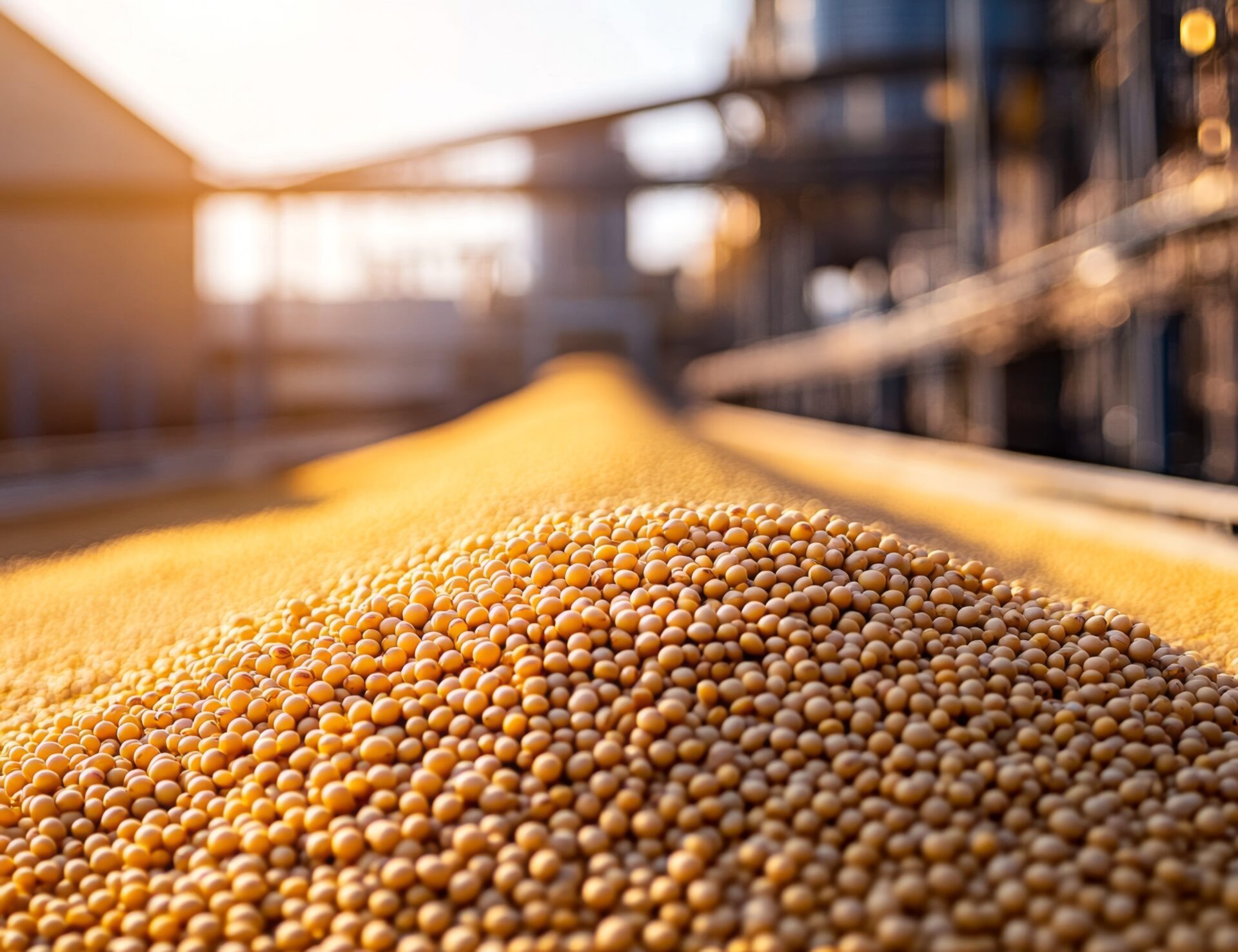
It’s been months of uncertainty between the United States and China since President Trump placed new tariffs on Chinese goods, sparking another round of back-and-forth tension in the ag sector. Now, an agreement reached last week has China pledging to resume purchases of U.S. soybeans. The announced totals don’t make much of a dent in what’s been missing from the marketplace, but many say it’s still a step forward in rebuilding one of America’s most critical export relationships.
A recent meeting between President Trump and Chinese President Xi Jinping led to the pledge that China will buy 12 million metric tons of soybeans by the end of January and another 25 million from 2026 through 2028. Those numbers sound encouraging, but mostly represent a return to the levels seen before trade tensions began. Agricultural economist Joe Janzen says the deal has sparked optimism, even if the fine print remains unclear.
Even with those numbers on the table, Janzen says the market impact could be modest. The purchases might not shift USDA’s export projections much for this marketing year, especially when factoring in other trade partners and global supply flows.
He says that means expectations for this marketing year will likely stay steady for now. The challenge is the same as it’s been for months—uncertainty. He calls it “subscription diplomacy,” where short-term announcements sound promising but rarely deliver lasting stability for farmers.
And as many remember from the first Trump administration, trade goals can be set but not always met. Janzen notes that this new deal looks a lot like Phase 1, with vague promises, flexible targets, and no real penalties if those commitments fall short.
For Iowa farmers, it’s a reason to be encouraged, but not to celebrate just yet. The hope is that this round of talks can lead to steady, dependable trade rather than another round of short-term headlines.

