

Rural America is built on small towns where life often looks a little different from what it does in big cities. We know the trade-offs, and for the most part, we accept them. Having fewer shopping options is a small inconvenience, while limited broadband has long been a bigger concern. But another shortage is emerging in agriculture, and it is already becoming a heavier burden that we cannot afford to ignore.
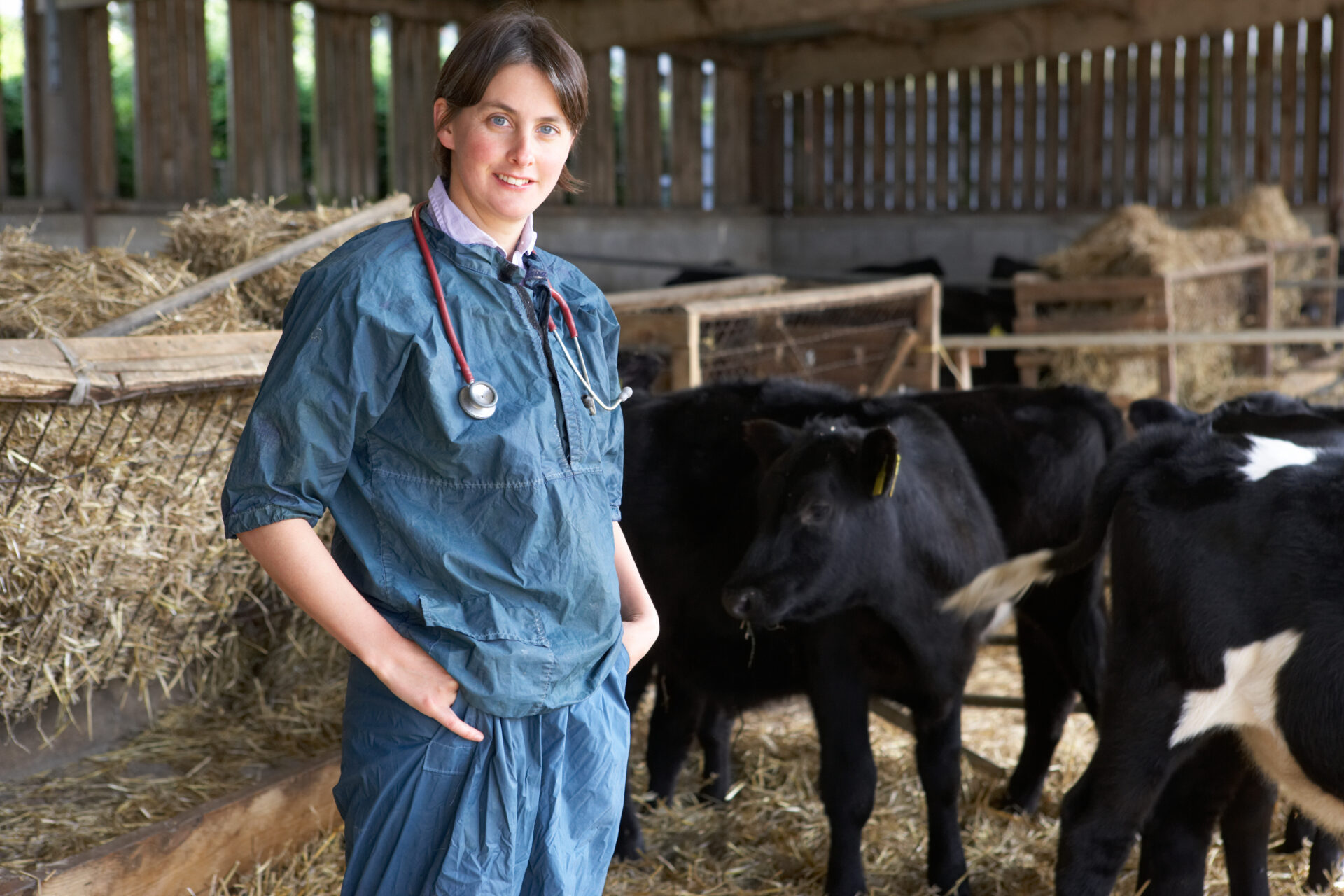
The veterinarian shortage is not new, but it is growing. Fewer students are choosing to enter the profession, and even fewer are pursuing careers in large animal care for cattle, horses, and hogs. While rural families value quality care for their dogs and cats just as much as their urban counterparts, the stakes are much higher when it comes to livestock. Delays in getting timely medical attention can quickly translate into financial losses for farmers. Recognizing the urgency, Secretary Brooke Rollins announced Thursday a new effort aimed at turning the situation around.
The measures outlined by Secretary Rollins are only the beginning of what USDA hopes to accomplish. The program will also focus on identifying where shortages already exist and where they may develop in the future. At the same time, it will look at ways to make large animal veterinary care more appealing, not just to students already pursuing the profession, but also to young people still deciding on their career path.
Lawmakers from agricultural states are hopeful that this effort can help change the direction for the future of farming. They have heard loud and clear from producers across the country that the shortage of veterinarians cannot continue on its current path. That is why the USDA stepped in with a plan to support rural communities and deliver the services they need. The impact goes beyond farmers and ranchers, strengthening small towns and making them more attractive for young people to build careers and stay rooted. When these towns lose population, they also lose infrastructure, and that puts the entire rural way of life at risk. And if rural communities suffer, the nation’s food supply chain is placed in jeopardy as well.
The shortage of large animal veterinarians is more than an inconvenience for rural America. It is a challenge that strikes at the heart of agriculture and the stability of our food system. The steps being taken by USDA may not solve the problem overnight, but they represent a move toward securing both the health of livestock and the vitality of the communities that depend on them.

