

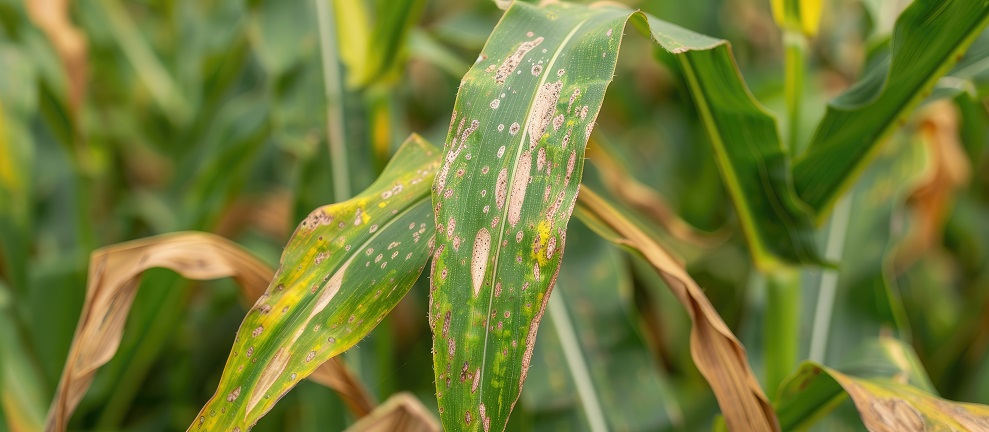
Wetter conditions and warmer temperatures have set the stage for a more active disease season in Iowa corn fields. Tar spot and northern corn leaf blight have already made their presence known in several areas, and concern is growing as the crop nears critical development stages. Most growers already have fungicide applications in the plan, but with rising disease pressure, the question now is whether more or heavier treatments will be needed.
With fungicide applications already in the plans for many, growers are now weighing whether heavier rates could help manage the rising disease pressure. Some in the industry believe a stronger first pass may eliminate the need for a second trip across the field. Tyler Harp, technical product lead with Syngenta, shares more on that approach and the environmental factors influencing this year’s decisions.
There are agronomic and economic trade-offs when deciding between increasing fungicide rates or making a second application, especially for gray leaf spot and tar spot. Growers must weigh disease severity, crop stage, and input costs to find the right balance between protection and profitability.
Harp points to Miravis Neo as a strong option for both corn and soybeans, noting its broad disease control and plant health benefits. He says its stress-mitigation technology can help protect yield potential even under heat or drought conditions.
With disease pressure already showing up in fields and weather uncertainty ahead, fungicide decisions this year carry even more weight. Finding the right approach now can help protect both yield and long-term crop health. As always, be sure to read and follow label directions when making any fungicide applications.

