

Farm families are getting a clearer picture of how last summer’s federal tax changes could affect long-term business planning after working through another filing season.
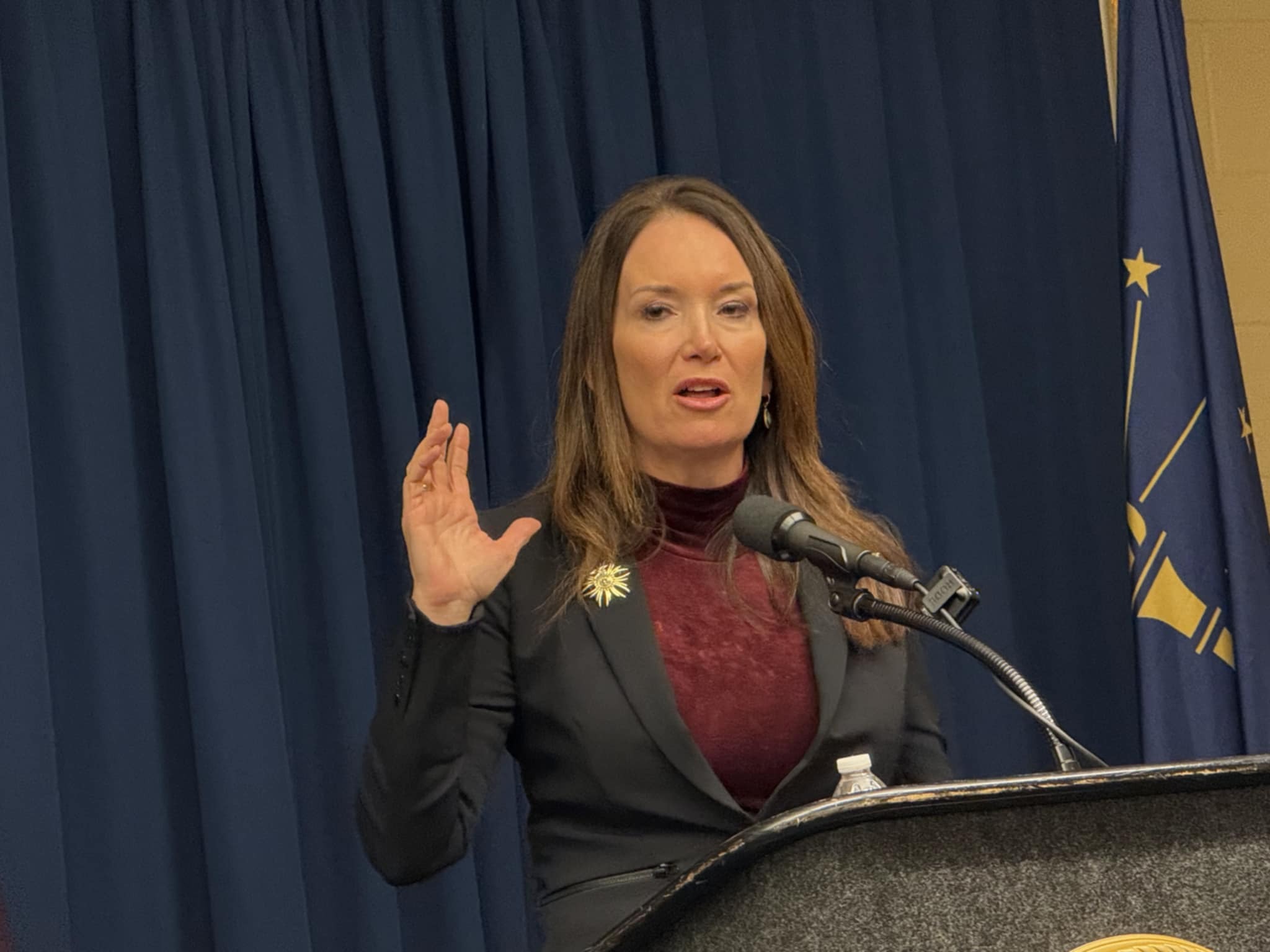
In an interview with the Iowa Agribusiness Radio Network, U.S. Agriculture Secretary Brooke Rollins said several provisions in the law continue to influence decisions tied to succession planning, capital purchases, and rural investment.
Rollins said the package included permanent estate tax relief for many families, permanent 100 percent expensing, expanded small business expensing, deferred capital gains treatment on farmland sales, and additional opportunity zone investments aimed at rural communities.
She said those provisions are especially meaningful for farmers, where land values and equipment costs can make generational transfer and long-term planning more complicated than a typical small business.
The law’s expensing provisions may give producers added flexibility when considering machinery upgrades, grain handling improvements, livestock facility work, and other major investments. At the same time, tax treatment surrounding farmland sales and estate transfers could help reduce barriers when farms move from one generation to the next.
Rollins acknowledged the broader farm economy remains challenging, noting producers continue to face pressure from input costs and other financial headwinds across rural America.
Even so, she said the tax changes are intended to provide another layer of certainty as farmers make business decisions throughout the year.
That could become especially important this spring as producers evaluate machinery needs, land values, and longer-term succession plans while moving through the 2026 growing season.

