

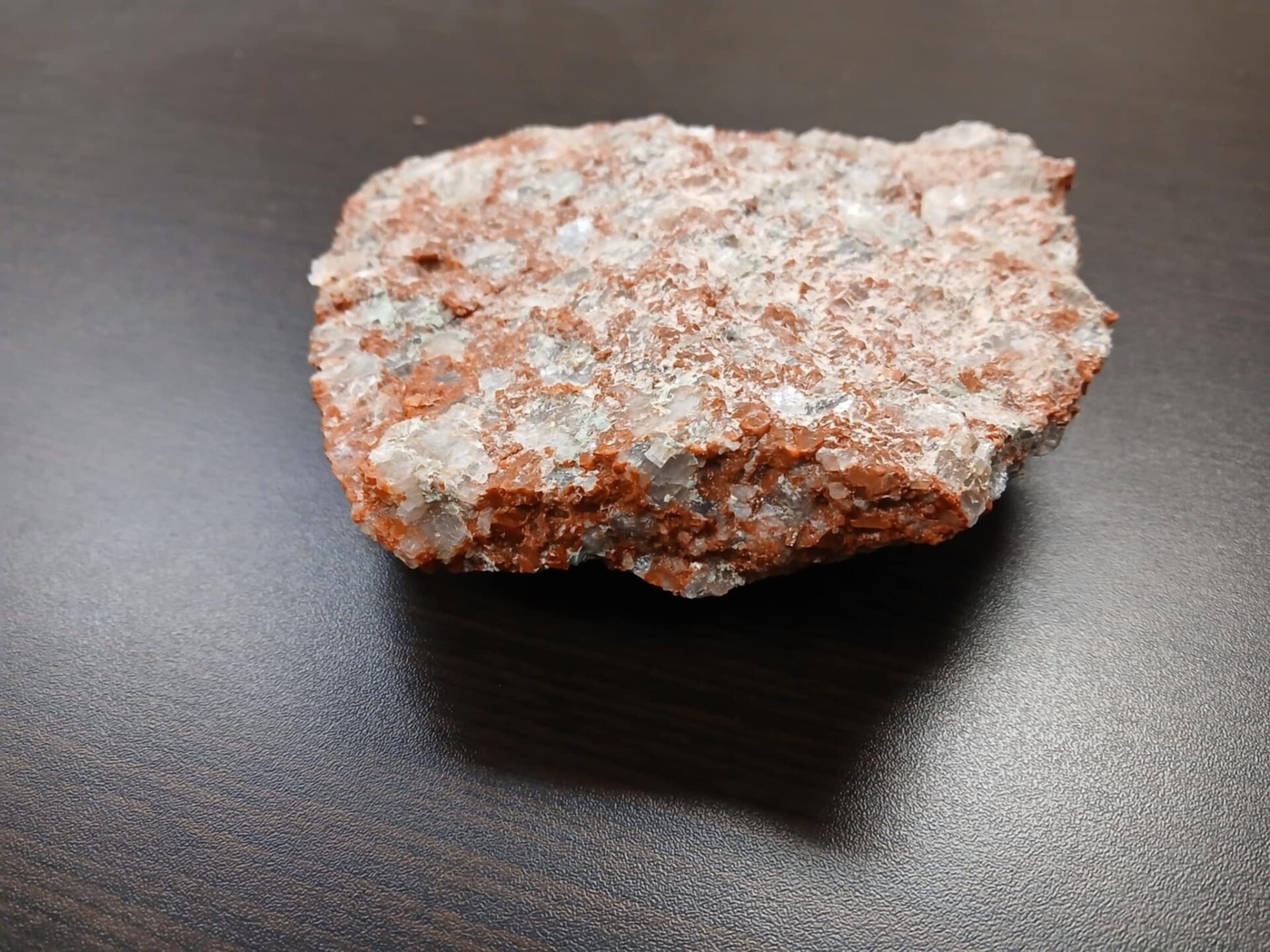
Most farmers are familiar with potash as a key source of potassium on a fertilizer tag, which helps crops grow stronger, healthier, and more productive. But fewer have stopped to think about where it actually comes from. Before it ever reaches a field, potash begins deep underground as a mineral deposit formed millions of years ago, and bringing it to the surface is no small feat. I recently had the chance to see that process firsthand during a visit to Nutrien’s Allan Potash Mine near Saskatoon, Saskatchewan. This trip showed just how much science, engineering, and teamwork go into producing one of agriculture’s most essential nutrients.
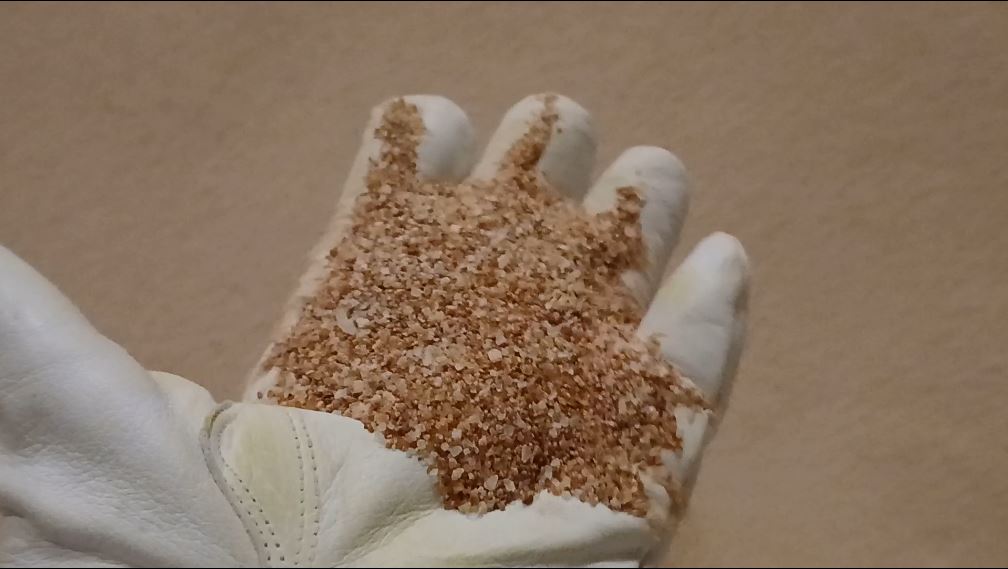
Leading our group through the tunnels of Nutrien’s Allan facility was Zoe Belanger, Mine Operations General Foreman. She helped explain what exactly we were looking at underground and how it connects to the fertilizer farmers depend on every season.
Zoe described how potash isn’t just a fertilizer ingredient, but a type of rock made up of different minerals. About one-third of it is sylvite, the part that holds the potassium valuable to agriculture, while the rest is mostly salt with a small amount of clay mixed in. Those clay materials are removed later in the milling process, leaving behind the potassium-rich portion that becomes potash fertilizer. She pointed out that the large white tailings piles surrounding the mine are made up mostly of that leftover salt and clay.
The story of how this deposit formed stretches back hundreds of millions of years. Saskatchewan was once covered by a salty sea, much like the Red Sea today, that eventually evaporated and left behind thick layers of salt and potassium minerals. At that time, she said, the region actually sat near where modern-day Peru is located. Over millions of years, shifting tectonic plates moved that ancient seabed north to where it sits today, forming what are now the world’s largest potash deposits.
As the sea levels rose and fell, different layers of rock built up above the potash beds—shale, limestone, and sandstone—each marking a new chapter in the area’s geologic history. Fossils can still be found in those limestone layers, though the ancient saltwater itself supported little more than microorganisms.
Zoe also explained how potash was discovered much more recently, in the 1930s and 40s, when companies drilling for oil and gas in Saskatchewan came across this unusual red and white rock. Testing confirmed it contained potassium, offering a far more sustainable source than the older method of burning trees for their ashes to extract potassium. That process is what originally gave potash its name—short for “pot ashes.”
She added that the discovery of this massive deposit has been a game-changer for modern agriculture, not only providing a reliable supply of potassium that helps farmers grow stronger, healthier crops, but also doing so in a far more sustainable way. By mining potash instead of extracting potassium through deforestation and ash collection, the industry has found a method that meets global demand without depleting natural resources — a solution that benefits both agriculture and the environment.
After learning about the science and history behind potash, I had the chance to try mining it myself. Sitting in the seat of a borer while I was shown how it operated gave me a better appreciation for the skill and precision that go into bringing this nutrient to the surface. The potash rock pictured at the top of this story is one I helped mine that day, and you can see more of that experience in the video below. It is a good reminder that the fertilizers farmers rely on to feed the world begin deep underground, shaped by time, teamwork, and a lot of hard work.

