

Top Stories

Grassley discusses path for farm bill passage before end of the year
Senate Majority Leader John Thune told the media in recent weeks that he intends to pass the GOP farm bill before the end of the year, even if it must be attached to other legislation. During his weekly ag conference call on Tuesday, Senator Chuck Grassley (R-IA) was asked which legislative package is the most likely vehicle for advancing the farm bill. Senator Grassley says that passage of the GOP bill is essential for farmers because of the work done to include year-round E15 legislation in...

Ag Committee advances Farm Bill 2.0 to uncertain future in full Senate
The Senate Agriculture Committee advanced its 2026 farm bill on a narrow 12-11 party-line vote after Sen. Mitch McConnell’s return enabled action on the measure. The bill includes major agriculture priorities such as year-round E15, mandatory country-of-origin...

Soybean checkoff turns research into new demand
Soybeans are most commonly associated with food, livestock feed, and renewable fuels, but a growing share of soybean research is looking at what the crop can do beyond those traditional markets. From tires and lubricants to firefighting foam, industrial uses are...
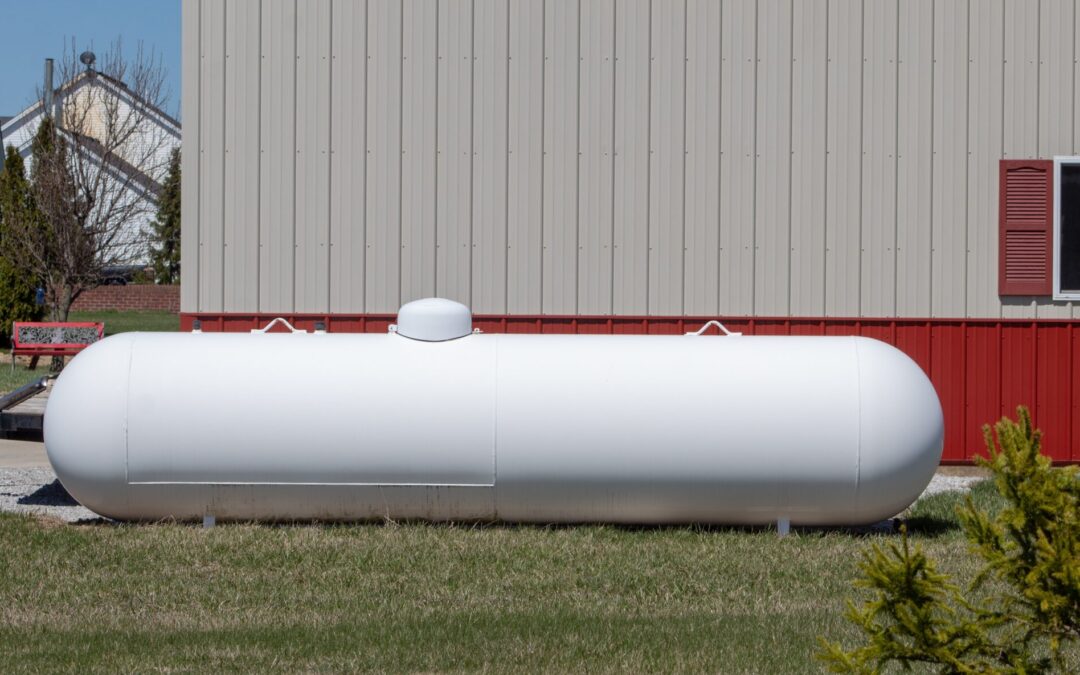
Propane can be used for more than just grain drying
Many farmers primarily use propane in grain drying equipment, but with the ever-rising prices of fuel and energy, propane can offer a more affordable power option. Michael Newland, director of agriculture business development at the Propane Education and Research...

Weather systems and precipitation slowing early harvest efforts
As farmers are beginning to harvest in Iowa, they are encountering some slowdowns with a widespread weather system delivering rain to the Midwest. USDA meteorologist Brad Rippey says that a moisture laden weather system is making its way across the country this week....

Pork producers advocating for industry priorities on Capitol Hill
The National Pork Producers Council has brought nearly 100 pig farmers from about 20 states to Capitol Hill for the Legislative Action Conference this week. NPPC Vice President Todd Marotz said they are meeting face-to-face with lawmakers and sharing the story of an...

Secretary Naig announces 125 schools receive Choose Iowa local food for schools grants
Iowa Secretary of Agriculture Mike Naig today announced that 125 Iowa public and private schools will receive funding through the Choose Iowa Local Food for Schools Program to purchase Iowa grown and raised food. Each participating school will receive approximately...



Video
More Ag News
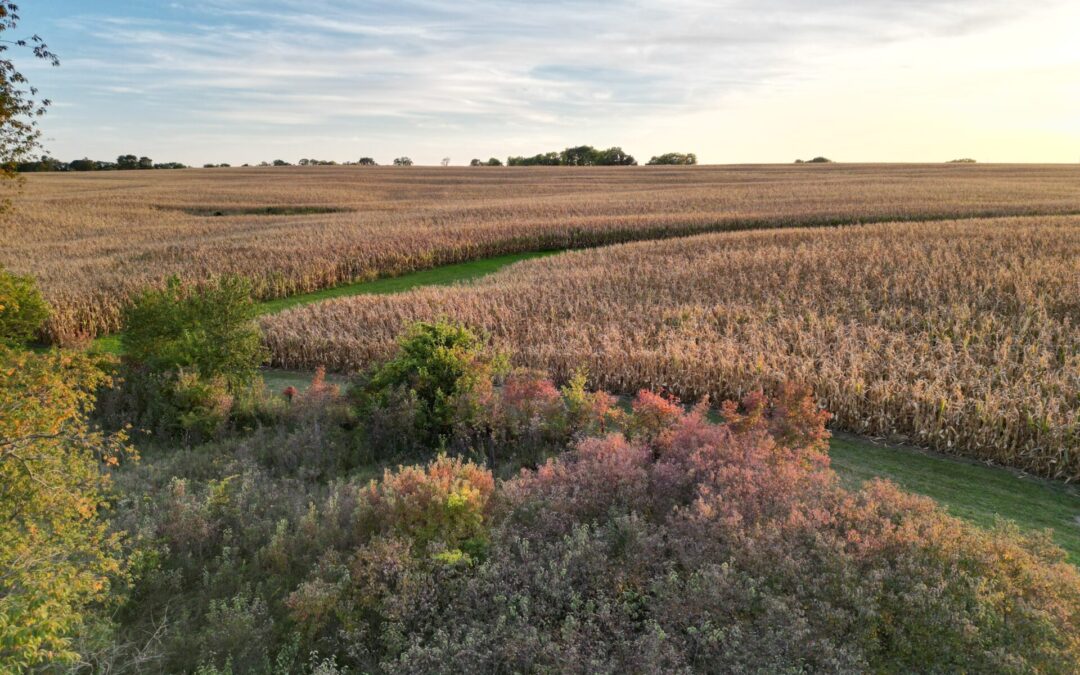
Heavy rains reveal both water quality progress and needs
Heavy rains can put Iowa’s water quality challenges under a microscope. When water starts moving across farm fields, erosion and nutrient loss can become much easier to see. But those same conditions can also highlight the progress being made on farms where...

BASF pleased with herbicide weed control in 2026
This crop season has been defined by heavy rains across much of Iowa, especially as we get into harvest. Mid-season rains made weed control more difficult, but BASF has heard a lot of good feedback about the performances of their herbicide portfolio. Kurt Maertens of...

Trump administration weighs diesel export ban
Record-high diesel prices are pressuring farmers heading into harvest, and the Trump administration is considering whether restricting diesel exports could provide relief. Treasury Secretary Scott Bessent says officials are examining whether a full or partial export...

China’s ag purchase pledge back in spotlight ahead of Trump-Xi meeting
President Donald Trump and President Xi Jinping of China are set to meet Thursday September 24th in Washington D.C. Jim McCormick, co-founder of AgMarket.net, says that the agriculture industry will be closely following the meeting to determine what agriculture topics...

Oil prices move lower in response to peace talk rumors
After weeks of steady improvement, oil prices traded lower to start this week as they were down 4-5% in Monday’s trading action. Patrick DeHaan, senior petroleum analyst at Gasbuddy.com, said the markets are likely hopeful that the Trump administration is going to...
