

Producers have received plenty of updates from USDA about New World Screwworm, most of which focus on border surveillance, wildlife movement, and federal protocols. But the greatest threat to livestock may not be at the border at all. It may be on the farm, where everyday management practices can create fresh entry points for the fly to exploit. That is where the perspective of Elanco’s Dr. Wayne Ayers becomes essential, because he says the behavior of this pest is very different from what producers are used to.
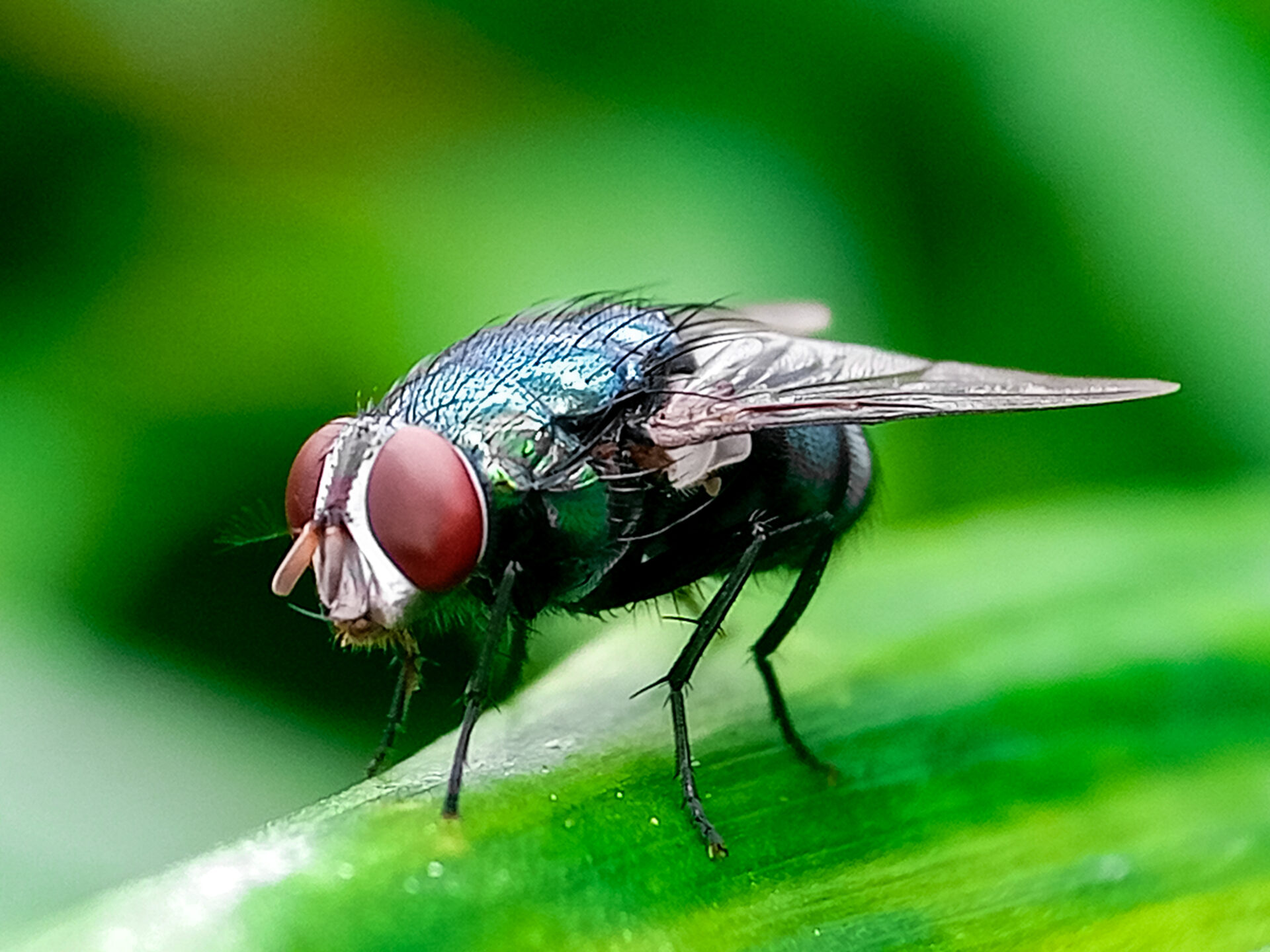
Dr. Ayers explains that the New World screwworm fly targets living tissue, not decaying tissue like blow flies or the common screwworm familiar to many cattle operations. The female fly seeks out a fresh wound, lays her eggs, and the hatched larvae begin feeding on healthy flesh. That behavior alone changes everything about how producers must think about prevention.
He notes that the smallest injuries can become attractive targets. A horn fly bite, a tick bite, a tiny drop of blood after an injection, the puncture from an ear tag, or the opening created during castration can all serve as entry points. These are routine management steps for livestock, and most of the time, they are not considered dangerous. But to a screwworm fly, those spots are prime opportunities.
Because of that, Dr. Ayers says producers should plan for stronger fly and tick control programs and look closely at the timing and method of procedures like castration or tagging. Spraying fresh wounds with approved products can also reduce the chances of a fly locating the site. He notes that one of the only products currently labeled for treatment is Katron 4, which has a long history of use in screwworm control.
Beyond those management tasks, one area concerns him even more: the navel of newborn livestock. It is something producers handle every day, yet it can quickly become a severe threat if left untreated.
Dr. Ayers says treating navels on newborn calves, lambs, kids, and other young animals is a critical step to protect against infestation. The risk is high because the larva does not have far to travel to reach the abdomen, and untreated cases in young animals often result in high death losses. In regions where New World Screwworm is endemic, routine navel treatment is standard practice.
Ultimately, Dr. Ayers stresses that prevention comes down to a new mindset. Rather than fearing the pest, producers should stay educated, understand the life cycle of the fly, and develop a habit of checking livestock more frequently. Spotting and treating wounds early makes a tremendous difference in whether an infestation occurs.
More information, updates, and guidance on screwworm preparedness are available through the USDA New World Screwworm playbook, which Dr. Ayers recommends as the most current and accurate resource for producers.

