

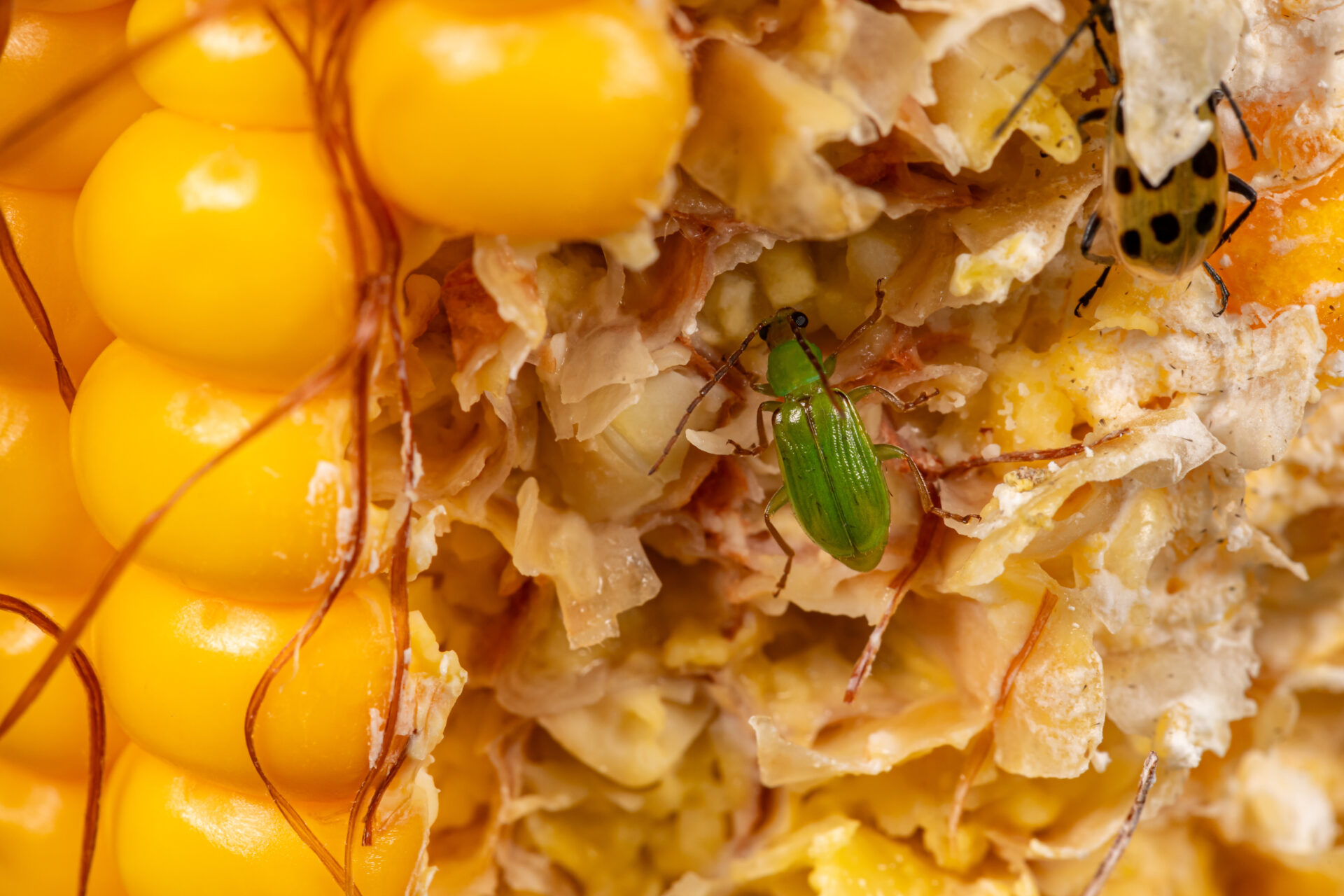
Corn rootworm larvae are already active in many Iowa fields, but much of the damage they cause remains hidden below the soil surface. Agronomists say that makes scouting and monitoring especially important, even when crops appear healthy above ground.
Dan Etter, a Channel technical agronomist in southern Iowa, said rootworm pressure can be easy to overlook because the pest spends much of its life cycle feeding underground. Unlike foliar diseases or other visible crop issues, rootworm damage often develops long before producers see signs of stress in the field.
Larvae feed on corn roots, reducing the plant’s ability to take up water and nutrients. The effects may not become obvious until later in the growing season when plants experience moisture stress, begin to lodge, or show reduced yield potential. By the time those symptoms appear, however, the feeding damage has already occurred.
The WATCH program uses sticky traps to help growers measure rootworm beetle populations and gain a better understanding of the pressure present in individual fields. The information gathered can help farmers identify potential problems before making cropping decisions for the following season.
Etter said that is one reason the program focuses on monitoring populations now. Once larvae are actively feeding on roots, there are few options available to reverse the damage already done. Instead, the goal is to use the information collected this season to guide management decisions for next year.
Those management decisions may include crop rotation or selecting trait packages that offer additional rootworm protection in fields with known pressure. Understanding where populations are building can help producers match management strategies to the level of risk they face.
Farmers interested in participating in the WATCH program can request a free rootworm pressure kit through July 7. The program is designed to help growers better understand rootworm activity and develop management plans aimed at protecting future corn yields.

