

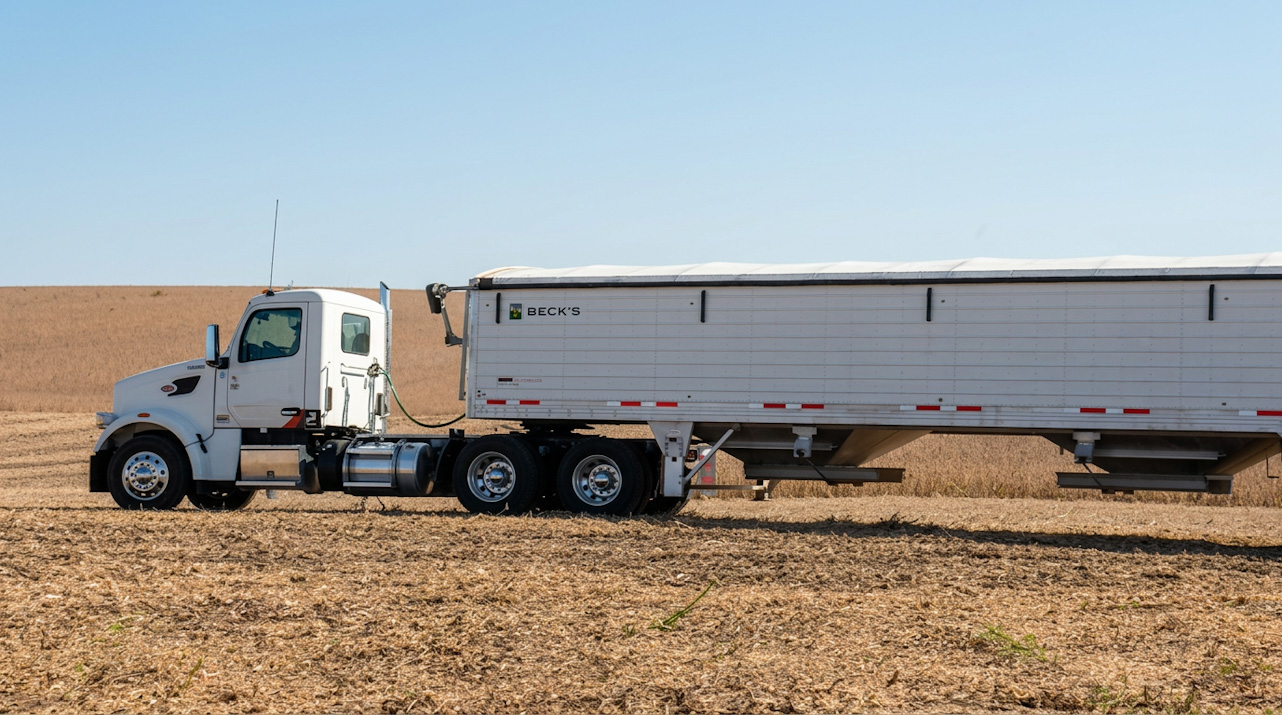
Rising diesel prices are creating additional financial challenges for Iowa farmers, particularly those who rely on semis to transport grain and other agricultural commodities. With farm profit margins already under pressure, higher fuel costs are adding another expense to both production and transportation.
Matt Wells, vice president of the Mid-West Truckers Association, says several factors have combined to tighten diesel supplies and push prices higher, including refinery shutdowns, declining fuel reserves, and disruptions tied to the war between Russia and Ukraine.
Wells says two major refineries in California were shut down, while another refinery in Joliet, Illinois, was offline for seven to ten days. At the same time, Ukrainian attacks damaged Russian refining facilities, adding pressure to global fuel supplies.
Those disruptions have contributed to a rapid increase in diesel prices, leaving the transportation industry struggling to manage higher operating costs.
For Iowa agriculture, the impact extends beyond the fuel used in tractors, combines, and other farm equipment. Many producers operate their own semis to haul grain from the field to storage facilities, elevators, and processors. Higher diesel prices increase the cost of those trips, while commercial trucking companies face similar challenges moving agricultural products and supplies.
Wells says those additional transportation expenses will eventually be passed along through the supply chain.
He says farmers could ultimately bear a significant portion of those higher costs. And with refinery capacity and fuel reserves needing time to recover, Wells doesn’t expect diesel prices to decline significantly in the near future.
The trucking industry may also have to adjust its business practices to account for sustained higher fuel expenses.
Wells says transportation rates and operating budgets will need to reflect those higher costs, potentially for the next year to year and a half. He also cautions that historically, fuel prices don’t always return to their previous levels following a significant increase.
Another issue drawing attention is the potential use of red-dyed diesel in highway vehicles to temporarily ease higher fuel costs.
Red-dyed diesel is generally reserved for off-road uses, including agricultural equipment, because it is exempt from certain highway fuel taxes. Clear diesel, which is used in semis and other highway vehicles, is subject to those taxes.
Wells says there are misconceptions about the differences between the two fuels.
He explains that modern red-dyed diesel is essentially the same fuel as clear highway diesel, with dye added to identify fuel intended for tax-exempt uses. Some states have considered or authorized temporary measures allowing certain highway uses of dyed diesel to provide relief from fuel costs.
However, dyed diesel use on public roads remains subject to applicable federal and state tax requirements and any specifically authorized exemptions.
For Iowa farmers, the broader concern remains the financial impact of sustained higher diesel prices. Whether they’re operating equipment in the field, hauling grain in their own semis, or paying commercial transportation costs, higher fuel expenses add another challenge to managing already tight farm budgets.
