

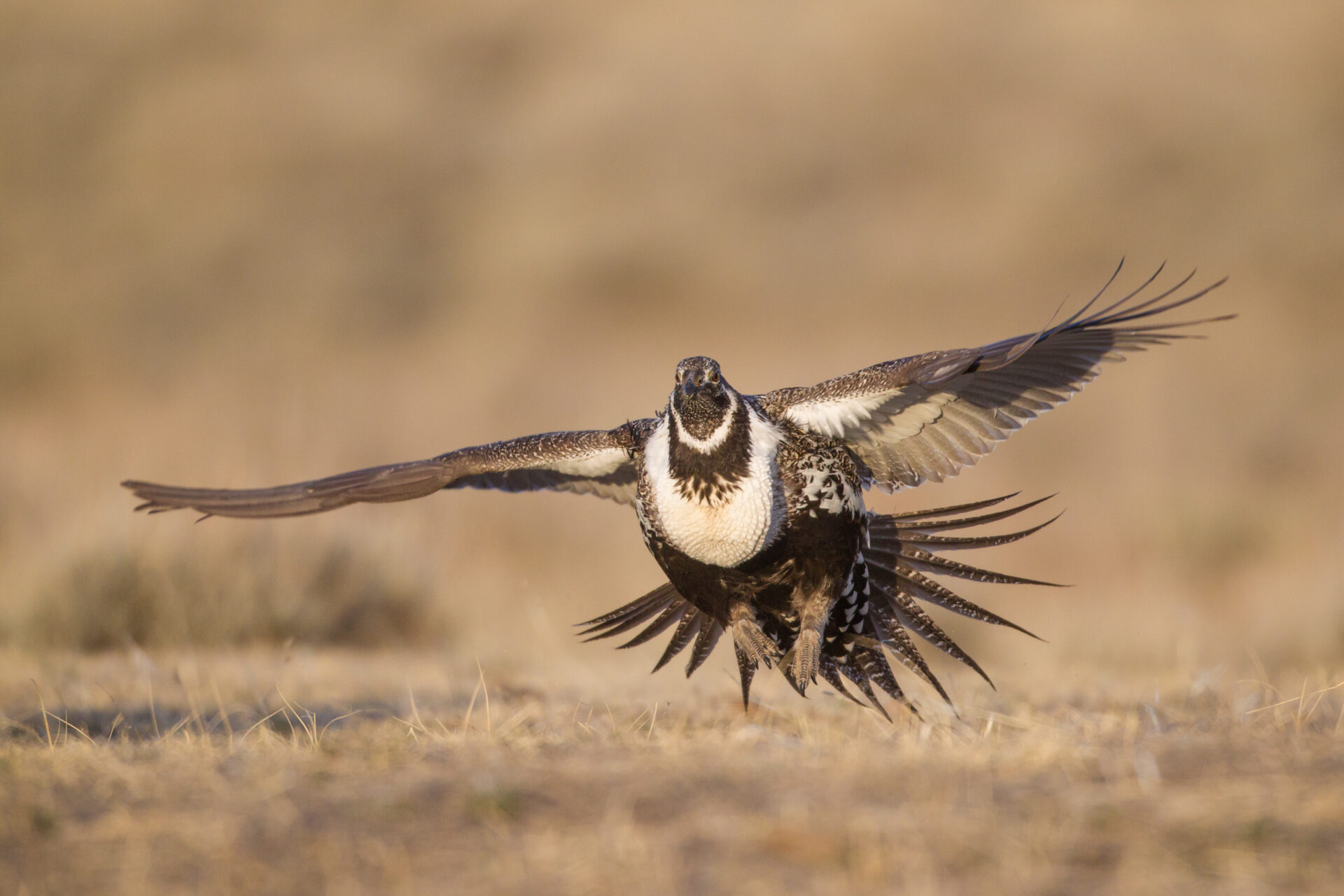
When I visited Washington, D.C. recently, I had the opportunity to hear from Karen Budd-Falen, Associate Deputy Secretary at the Department of the Interior, about several issues affecting western ranchers and public lands. One topic that generated considerable discussion was the role livestock grazing can play in maintaining healthy rangelands and supporting wildlife habitat.
Budd-Falen said recent research has helped change the conversation around grazing and conservation. She pointed to studies examining the relationship between livestock grazing and sage grouse habitat, saying properly managed grazing can benefit not only sage grouse but a variety of other species that rely on healthy grassland ecosystems.
According to Budd-Falen, grazing can be used as a management tool to improve soil health, control invasive weeds, and reduce wildfire risk by removing excess vegetation that can serve as fuel during dry conditions.
Those concerns are especially relevant this year as much of the western United States continues to deal with drought conditions. Budd-Falen said ranchers are already adjusting their grazing plans where forage supplies are limited, and the Department of the Interior is working to identify additional options to help producers while protecting the health of public lands.
Budd-Falen said the department has been identifying vacant grazing allotments and evaluating opportunities on wildlife refuges where livestock grazing may be compatible with the purpose of the refuge. The goal, she said, is to provide additional grazing resources where possible while helping producers navigate another difficult drought year.
At the same time, Interior officials remain concerned about wildfire potential across the West. Budd-Falen said grazing can be one of several tools available to reduce fuel loads and help manage landscapes that face increasing pressure from drought, invasive species, and changing environmental conditions.
For Budd-Falen, the discussion comes back to balance. She said properly managed grazing can provide benefits for livestock producers, wildlife, and the long-term health of the land when it is used as part of a broader conservation strategy.

