

Top Stories


Details from the USDA March Cattle on Feed Report
USDA published the March Cattle on Feed Report on Friday March 20th and with the cattle industry in a pattern of low supply and continued high demand, the report can offer clues on the industry’s direction. USDA livestock analyst Michael McConnell provides the numbers of cattle in feedlots on March 1st. He notes that last year at this time is roughly when the effects of closing the Mexico border for feeder cattle imports due to New World Screwworm started to impact the numbers. McConnell says...

Transportation uncertainty will continue in 2026
Heading into 2026, U.S. agriculture faces questions about transportation challenges. Mike Steenhoek, executive director of the Soy Transportation Coalition, said no one likes uncertainty. Steenhoek said one of the biggest challenges has been the consistently low water...

Rethinking feed additives as cattle management tool
Feed additives have long been part of livestock production, but the way they are being evaluated is changing. As margins tighten and performance pressures increase, producers are taking a closer look at how additives fit into overall herd management, particularly...

Using soil tests to adjust nutrient applications in 2026
When it comes to having a successful crop season, soil nutrition is key. But it’s not just about having the proper nutrients in the soil- farmers need to focus on making sure those nutrients are available to the crops at the right time. Derek Emerine, national...

Farmers and ranchers encourage to share thoughts on WOTUS
The Environmental Protection Agency proposed a new Waters of the U.S. Rule to give U.S. agriculture more clarity on what constitutes an actual water of the U.S. The public comment deadline is rapidly approaching. Courtney Briggs, senior director of government affairs...

Disease pressures and the livestock sector in 2025
Disease pressures in the livestock sector featured prominently in 2025 across the spectrum from poultry to cattle. Two of the biggest stories about animal diseases in the past year were highly pathogenic avian influenza and New World screwworm. Former USDA Chief...

U.S. hog inventory up one percent
The U.S. hog inventory is growing. As of December 1, there were 75.5 million hogs and pigs on U.S. farms, which is up one percent from December 2024 and slightly higher than the numbers on September 1, 2025. That’s according to the Hogs and Pigs report published by...




Video
More Ag News

Strong opinions on proposed railroad merger
A proposed merger between the Union Pacific and Norfolk Southern Railroads is now before the Surface Transportation Board for possible approval. Mike Steenhoek, the executive director of the Soy Transportation Coalition, called this a “seismic development” for the...
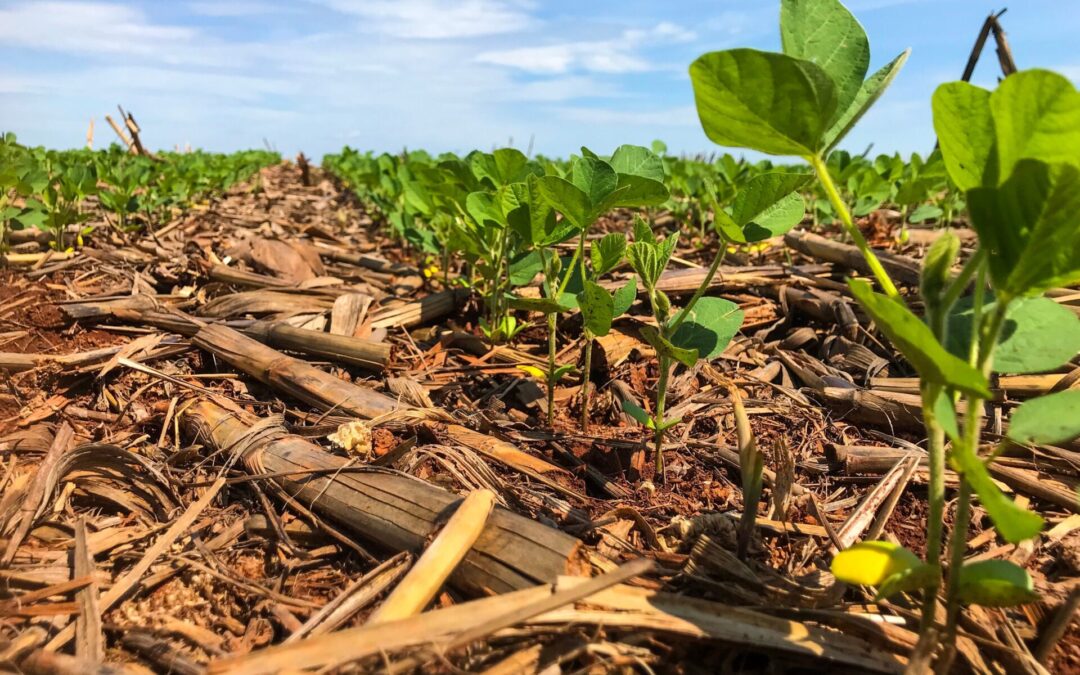
South American Weather and Crop Update (1-16-26)
Right now is the short timeframe in which the crops in both Brazil and Argentina are in the critical yield determining phase. As a result, the weather is a huge focal point for the global grain markets. Allendale commodity broker Greg McBride said the weather forecast...

Latest outlook on soybean oil
While much of the focus in the USDA WASDE reports centers on row crops such as corn and soybeans, the reports also help provide a snapshot of the situation for various products such as soybean oil. The most recent WASDE report for January helps to detail the current...

Farmland values enter a new phase
The U.S. agricultural land market is shifting after years of steady growth. Although land values are still historically high, current signs indicate a more complex situation driven by local and regional factors rather than nationwide trends. “After years of steady...

Ernst says loan delays hurt Iowa growth
Farmers and rural businesses across Iowa are facing growing challenges when it comes to accessing capital. Tight margins, lower commodity prices, and rising input costs are colliding with loan processes that many lenders say have become increasingly difficult to...
