

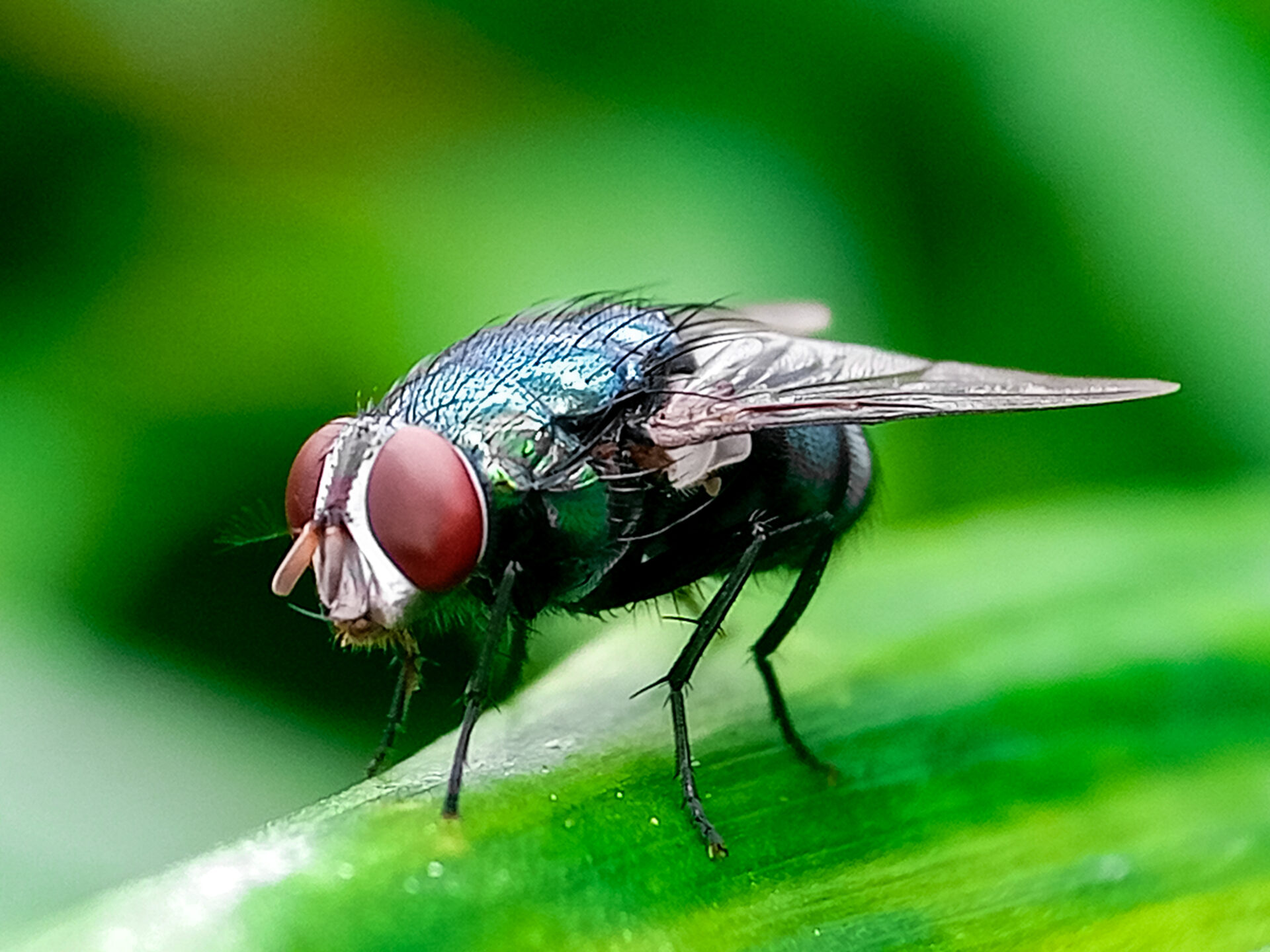
New World Screwworm remains hundreds of miles from Iowa, with confirmed cases confined to parts of Texas, New Mexico, and Mexico. While there is no indication the pest is moving into Iowa anytime soon, state officials say it’s important for livestock producers to understand the risks and remain aware of the situation.
Secretary of Agriculture Mike Naig said the New World Screwworm fly is not a new insect to the United States. It was successfully eradicated from the country decades ago, and officials already know the most effective methods for controlling it should it continue expanding its range.
Naig said the New World Screwworm fly should not be confused with foreign animal diseases such as African swine fever or highly pathogenic avian influenza. The larvae feed on living tissue after the adult fly lays eggs in an open wound, but affected animals can be treated and recover if the infestation is identified early. He also emphasized that the pest does not pose a food safety concern for consumers.
While the immediate threat remains in the southern United States, Naig said animal movement is one of the primary ways the pest could spread into new areas. That’s why livestock moving from affected regions are subject to strict veterinary inspections and treatment requirements before they can be transported.
Naig said efforts remain focused on containing the New World Screwworm fly where it currently exists through livestock movement restrictions and expanded sterile fly production. While Iowa producers are not facing an immediate threat, he encouraged them to stay informed as officials continue monitoring the situation. Understanding how the pest spreads and recognizing potential signs of infestation can help ensure it remains a distant concern rather than a local one.

