

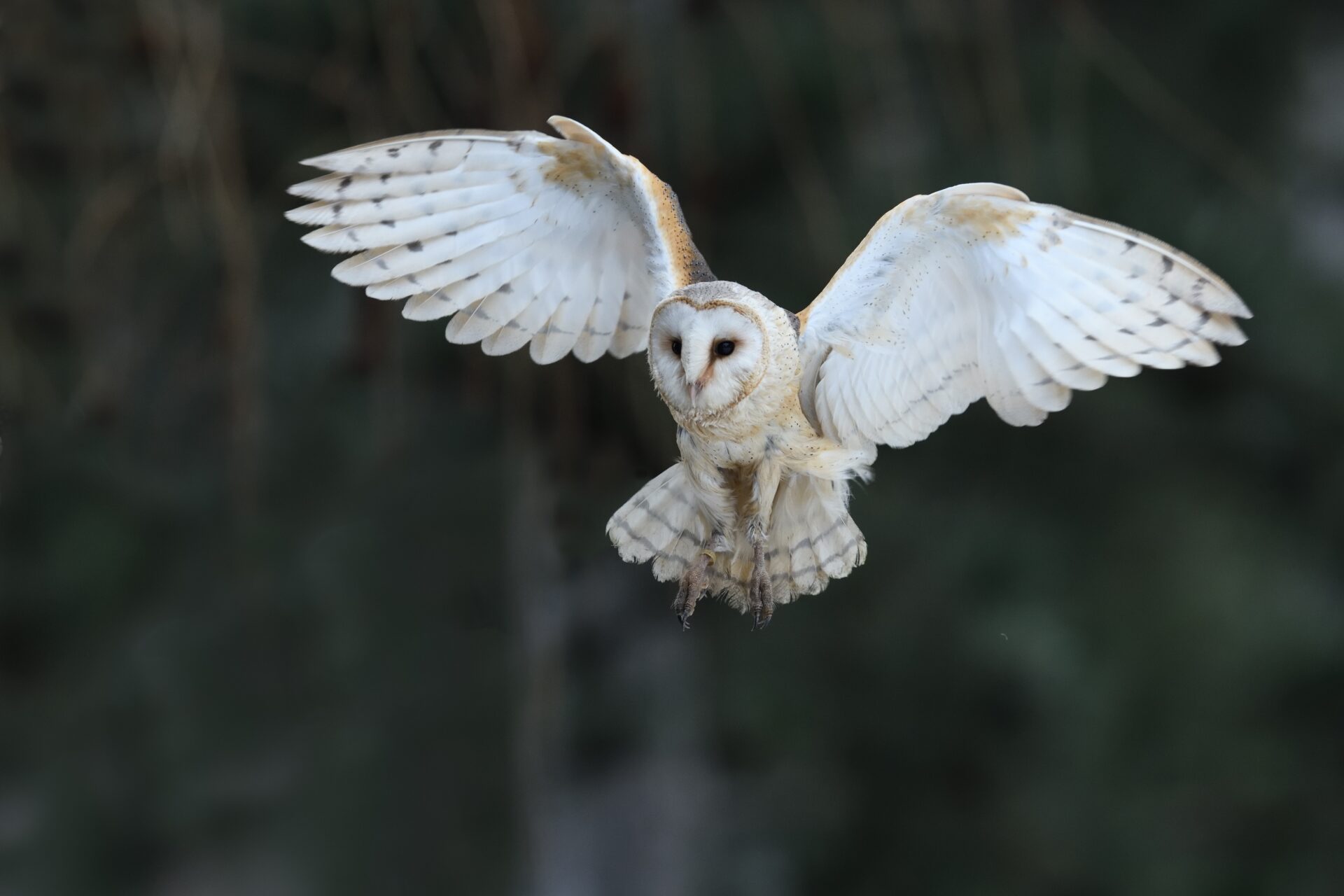
Today, more farmers are taking advantage of barn owls for rodent control on their farms. Jennifer Ackerman, an ornithologist and author, discussed what makes barn owls so effective for pest management. She said that barn owls are excellent rodent hunters and a better alternative to rodenticides, which can be poisonous for potential rodent predators.
Ackerman shared the factors to consider when choosing locations for barn owl nesting boxes. She highlighted the location’s openness, height, and proximity to major highways as key considerations.
Ackerman said that choosing the right nesting box is just as important as its setup location. For her, the right nesting box is the one that puts barn owls in optimal conditions for hunting.
For generations, barn owls have been an important part of the farm identity in the U.S., having a win-win relationship with farmers. While they serve the farm by protecting crops and stored grain by naturally controlling rodent populations, the farm provides them with a habitat and a source of nutrition. They are such an efficient and environmentally friendly alternative to pesticides that farmers can reduce pesticide use costs and lower the environmental impact of pesticides on farms.

