

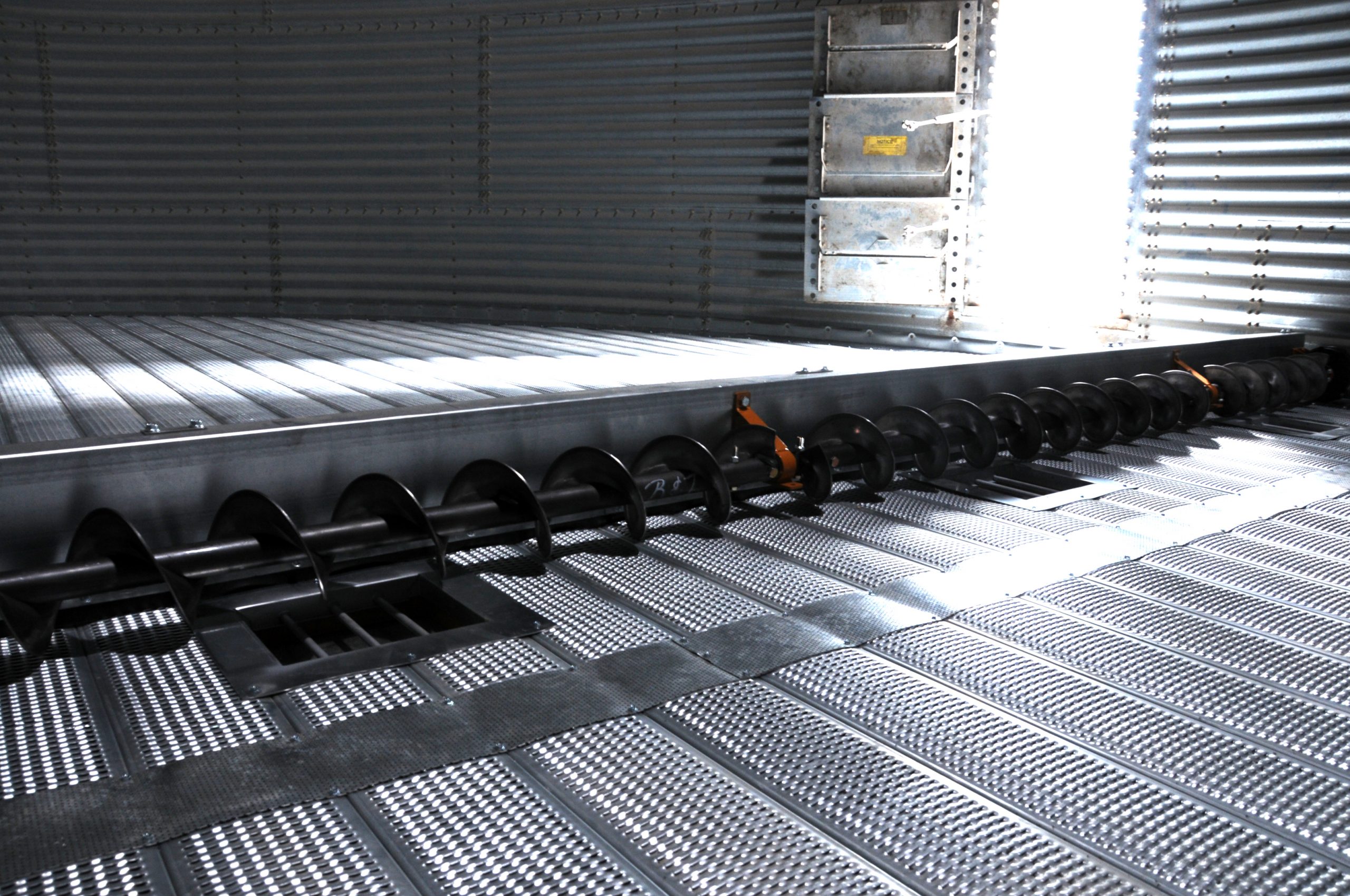
As harvest continues across Iowa, farmers are working to get this year’s crop out of the fields and into storage. But getting grain into the bin is only part of the job. Maintaining proper storage conditions is essential to protecting grain quality and preventing financial losses. When stored grain begins to deteriorate, the consequences can extend well beyond the value of the crop. What starts as a storage problem can quickly become a serious safety hazard.
Randy Sheley, grain conditioning specialist with GSI, says preventing dangerous conditions inside grain bins begins with proper moisture management. Storing grain that’s too wet for extended periods can create problems that put farmers at risk.
Grain that goes out of condition can create dangers that aren’t always visible from outside the bin. Bridged grain can collapse beneath someone, while unloading equipment presents another serious hazard. That’s why preventing problems before they develop is so important.
But when farmers do find themselves dealing with a problem inside a bin, Sheley says there are precautions that should never be overlooked.
Those precautions become especially important as Iowa farmers continue moving this year’s crop into storage. Grain quality and farm safety go hand in hand, and keeping stored grain in good condition can reduce the need for dangerous situations inside the bin.
Avoiding unnecessary bin entry is one of the best ways to reduce those risks. When entry cannot be avoided, proper safety procedures, including shutting down and locking out equipment, are essential.
Ultimately, the goal isn’t simply to protect the investment farmers have made in their crop, but to make sure everyone working around those storage systems gets home safely.

